Wildlife Animal Deer Pine Tumbler Graphics Review
When a new client brief lands on my desk, the first thing I do is picture the visual language the project demands. Recently, I was asked to develop a cohesive brand identity for a small handmade business that specialises in rustic, nature-inspired giftware. The client wanted products that felt grounded, earthy, and quietly premium—think laser-engraved tumblers, wooden serving boards, and leather journal covers. As I started sourcing visual direction, I came across the Wildlife Animal Deer Pine Tumbler design asset, and I knew immediately it deserved a proper evaluation before I committed it to a client project. This is my honest review from the front lines of commercial design work.
A First Look at the Visual Mood
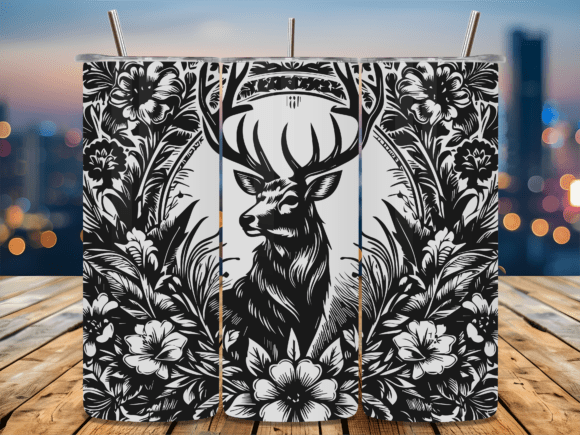
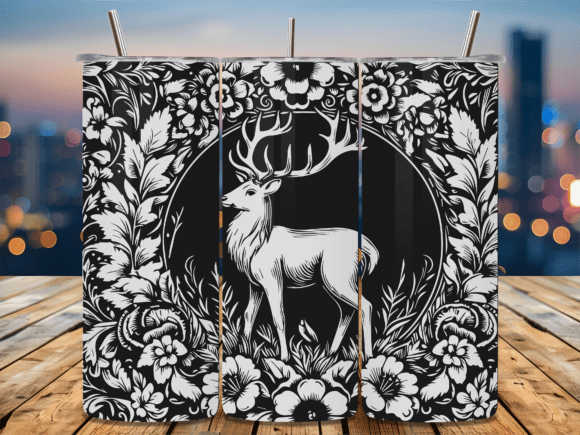
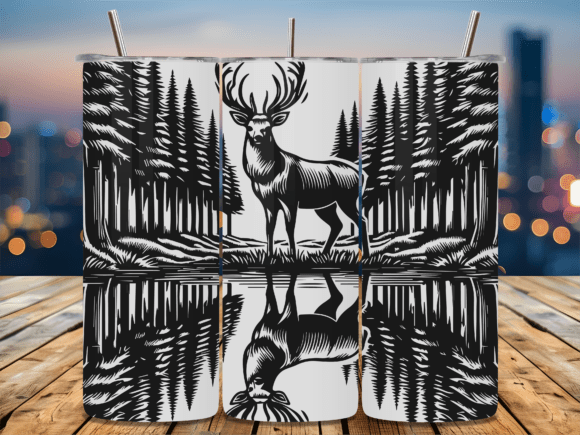
The Wildlife Animal Deer Pine Tumbler design presents a carefully composed scene of a deer set against a backdrop of pine trees. The overall mood is calm, woodland-inspired, and slightly nostalgic without feeling dated. The linework is clean and deliberate, which immediately signals that this asset was built with engraving and craft applications in mind. As a graphic design asset, it carries a natural authenticity that resonates with audiences who value handmade quality and outdoor aesthetics. The style feels contemporary yet timeless, making it a strong candidate for projects that need to bridge modern minimalism with rustic charm.
For a creative design professional, the first impression matters. This asset communicates restraint and intention. The deer is not overly detailed, and the pine trees frame the composition without overwhelming the central subject. That balance is crucial when you are working on commercial design projects where the visual needs to hold its own at multiple sizes and across different media. I immediately thought of it as a versatile digital product that could support a range of applications from packaging design to social media graphics.
Where This Design Asset Excels in Real Client Work
In my experience, the Wildlife Animal Deer Pine Tumbler performs best in projects where the visual needs to carry emotional weight without competing for attention. For a client launching a line of laser-engraved drinkware, this design is nearly ideal. The composition is built for cylindrical surfaces, and the spacing between elements allows the engraving to read clearly even after the wrap is applied. That is a huge advantage for print-on-demand sellers and Cricut project creators who need reliable results every time.
Beyond tumblers, this asset works beautifully in product mockup presentations, packaging design for boutique food or candle products, and brand identity systems for outdoor gear companies. The pine tree motif can be extended into secondary patterns, and the deer silhouette can become a recognizable mark for a small business branding effort. I have also seen similar assets perform well in sticker design, t-shirt design, and sublimation design for apparel aimed at nature lovers and hunters.
For marketing visuals, the asset works well as a hero graphic on a website banner or as a featured image in an email campaign. It also holds up in editorial design for outdoor lifestyle magazines or blogs. If you are building a Canva template for a seasonal promotion, this design can anchor the layout without requiring heavy customization. The tonal range is soft enough to sit behind text but strong enough to function as a standalone illustration.
Large Layouts, Hero Graphics, and Themed Collections
When I test a design asset, I always consider where it has the most impact. The Wildlife Animal Deer Pine Tumbler shines in large layout areas. On a product mockup where the tumbler fills the frame, the detail in the pine needles and the deer’s antlers becomes a talking point. It also works well as a hero graphic on a landing page for a seasonal campaign, especially if the brand is launching a autumn or winter collection. The visual mood naturally supports themed collections around hunting, cabin retreats, rustic weddings, or woodland decor.
For packaging design, the asset can be used as a decorative accent on the front of a box or as a repeating pattern on the interior lining. It also functions well as a supporting element in brand identity systems where the primary logo is typographic and the illustration adds personality. If you are working on a design bundle for a client, this asset could be one of the key pieces that ties the entire collection together.
Where to Use This Asset with Caution
No design asset is perfect for every situation, and the Wildlife Animal Deer Pine Tumbler has its limitations. In small sizes, the fine details of the pine branches and the deer’s antlers can become muddy, especially if the output method is low-resolution printing or standard digital display. For logo design where the mark needs to be instantly recognizable at favicon scale, this asset is not ideal unless you simplify the artwork significantly.
I also advise caution when placing this design on complex backgrounds. The linework is delicate, and if you layer it over a busy texture or a photograph, it can lose its readability. For minimalist branding projects where the client demands extreme simplicity and high contrast, this asset may feel too illustrative. It is better suited for brands that embrace a natural, story-driven aesthetic rather than corporate minimalism. Similarly, for professional corporate materials like annual reports or financial presentations, the woodland theme would likely feel out of place unless the company is directly tied to outdoor or conservation work.
In crowded layouts where multiple visual elements compete for attention, this asset can become lost. I recommend giving it breathing room—white space is your friend here. If you are using it in social media graphics that are text-heavy, consider placing it as a background element with reduced opacity rather than a focal point.
Practical Designer Notes from the Studio
Before I hand any asset to a client, I run it through a set of practical checks. Here is what I recommend for the Wildlife Animal Deer Pine Tumbler:
- Test it in black and white. The design should hold its contrast and compositional strength without color. In my tests, the linework remains clear, and the deer silhouette is distinct enough to stand alone.
- Check contrast on light and dark backgrounds. On a white background, the design reads cleanly. On a dark surface, such as a black tumbler, the lighter linework may need adjustment depending on the engraving method. If you are using it for sublimation design, test the color output on your specific substrate.
- Preview at small and large sizes. At 2 inches wide, the pine needles start to blur. At 8 inches wide, the detail is impressive. Plan your usage accordingly.
- Place it on real mockups. I always create a product mockup before pitching to a client. Seeing the design on a tumbler, a mug, or a tote bag reveals how the wrap aligns and whether the scale feels right.
- Test print quality. If you are producing physical goods, run a test print or engraving. The SVG design should be scalable without losing fidelity, and the PNG design should have a clean transparent background with no aliasing issues.
- Inspect file formats. Confirm that the asset includes the formats you need. For Cricut project work, an SVG with well-organized layers is essential. For digital use, a high-resolution PNG saves time. For print-on-demand platforms, check that the dimensions match the product template.
- Review commercial licensing. This is non-negotiable. Before using any graphic design asset for a client or business project, verify that the commercial license covers your intended use. Some design assets from creative marketplace platforms restrict the number of products you can sell or require attribution. Read the terms carefully.
Typography Pairing and Brand Consistency
One of the most important tests for any illustration or clipart asset is how it pairs with type. I tested the Wildlife Animal Deer Pine Tumbler with several font families to see how it affects visual hierarchy and brand consistency. With a serif font, the design takes on a heritage feel that works well for premium packaging. With a sans serif font, the look becomes more modern and approachable, suitable for lifestyle brands. A script font adds a feminine, handcrafted touch that could work for wedding or home decor clients. A handwritten font reinforces the organic vibe, and a display font with strong character can create a bold statement when used sparingly.
For brand identity work, I recommend using this asset as a secondary visual element rather than the primary logo mark. It can support a wordmark beautifully without overwhelming the typography. In web design, the asset can serve as a section header illustration or a background pattern. For blog visuals and Pinterest pins, it creates a strong thumbnail that signals the content topic at a glance.
Emotional Appeal and Audience Engagement
Design assets that evoke emotion are the ones that build trust and recognition. The Wildlife Animal Deer Pine Tumbler taps into a deep appreciation for nature, quiet moments, and handcrafted quality. For a handmade business that sells at local markets or through an Etsy product shop, this visual language can help the brand feel authentic and grounded. Audiences who respond to woodland and wildlife imagery are often loyal and engaged, making this asset a solid choice for campaigns that aim to build community rather than just sell products.
For marketing visuals that need to tell a story, this design gives you a strong starting point. The deer symbolizes grace and resilience, while the pine trees represent endurance and the changing seasons. That emotional resonance is valuable for brand owners and content creators who want their visuals to connect on a deeper level.
Final Thoughts on the Wildlife Animal Deer Pine Tumbler
After spending time with the Wildlife Animal Deer Pine Tumbler, I can confidently say it is a well-crafted graphic design asset that earns its place in a professional designer’s toolkit. It is not a universal solution—no single asset is—but for the right client and the right project, it delivers a polished, emotionally resonant visual that supports brand identity, packaging design, and print-on-demand products with ease. The precision of the linework and the thoughtful composition make it a reliable choice for laser engraving projects and sublimation design work.
My advice to other designers is to test this asset thoroughly in your own workflow, pair it with fonts that complement its natural mood, and always verify the commercial license before delivering to a client. When used strategically, the Wildlife Animal Deer Pine Tumbler can elevate a small business branding project from ordinary to memorable. It is a creative design resource that I will be keeping in my digital library for future client work, and I recommend it to any designer working in the Crafts and Graphics space who values quality and authenticity.