Desert Bolt Leopard Cactus 20oz Tumbler Review
When I first opened the Desert Bolt Leopard Cactus 20oz Tumbler file, I was honestly curious how a leopard-and-cactus hybrid would translate into a stitched product. The theme is bold, unexpected, and carries a distinct Southwestern-meets-wildlife energy. The straight and tapered tumbler formats give you two canvas shapes to work with, and at 9.3 by 8.2 inches at 300 DPI, the PNG files offer enough resolution for crisp printing or mockup placement. As someone who evaluates designs for real embroidery work, I look beyond the initial visual punch. I want to know how this design behaves under a needle, how customers receive it, and whether it lifts a product from ordinary to memorable. Let me walk through what I found.
First impressions and design personality
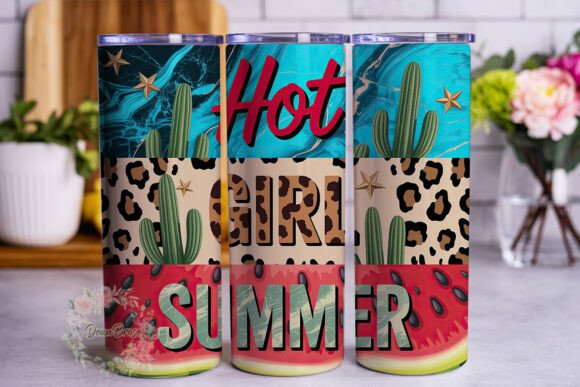
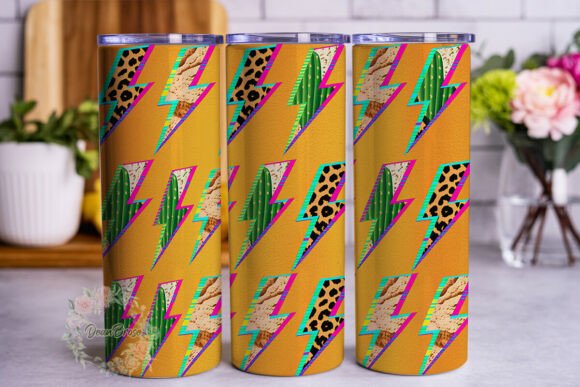
The Desert Bolt Leopard Cactus 20oz Tumbler pairs a stylized leopard print with cactus silhouettes, which sounds like a clash but reads as a cohesive, playful motif. The leopard spots are not overly literal, they feel graphic and modern, while the cactus forms bring structure and balance. The overall mood is relaxed, a little edgy, and very giftable for anyone who loves desert aesthetics, animal prints, or Southwest decor. The layout sits naturally on a tall tumbler shape, which means the vertical rhythm works well for elongated surfaces like tumblers, totes, or panels on a sweatshirt sleeve. I can already see this design appealing to boutique shoppers, boho enthusiasts, and anyone looking for a conversation-starting embroidered patch or direct-to-garment print on a custom piece.
The design does not rely on tiny, fragile details. The leopard spots are large enough to hold shape during stitching, and the cactus outlines provide clear boundaries. That is a relief for production work. If you are an Etsy seller or small shop owner, this kind of bold, uncluttered artwork reduces the risk of distortion on textured fabrics or stretchy knits. It also photographs well for printable mockups and digital previews, which matters when you are building product listings or testing new product categories.
Real world case: preparing a custom embroidered tote bag
Last week, I was asked to create a limited run of custom market totes for a local boutique that wanted something outside the usual floral or monogram offerings. I decided to test the Desert Bolt Leopard Cactus 20oz Tumbler as a large center motif on a natural canvas tote. The shop owner wanted a design that felt fresh, not too feminine, and suitable for all ages. The leopard cactus mix delivered exactly that. After transferring the PNG into my digitizing software and adjusting the stitch density, I ran a test on scrap denim and then on the actual tote fabric. The satin stitch edges on the cactus segments came out clean, and the fill stitch areas inside the leopard spots stayed smooth without puckering. I used a medium weight cutaway stabilizer and a 40 weight thread in desert tones, ochre, sage, and a warm tan. The result was a tote that felt substantial, boutique quality, and exactly the kind of embroidered patch look that customers pick up at craft fairs and say, I need this.
If I were preparing this for a sweatshirt embroidery project, I would reduce the design slightly to fit a chest or back panel, but the proportions hold up well at around 80 percent of the original size. For a baby embroidery item, I would skip this one the scale is better suited for adult apparel, home decor, or accessories where the bold print can shine. For a holiday embroidery gift, it works beautifully as a desert themed present for someone who collects cactus decor or loves leopard print. I can also see it as a commercial embroidery run for a small resort gift shop or a Southwest inspired clothing line.
Where this design shines and where to tread carefully
The Desert Bolt Leopard Cactus 20oz Tumbler is versatile, but like any design, it has ideal use cases and some limitations. Let me break down where it performs best and where you might need to adjust.
Best applications
- Custom apparel jackets, vests, hoodies, and oversized t-shirts where the design can be placed on the back or front center.
- Tote bag design and apron fronts the size and layout complement structured fabrics like canvas, denim, or cotton twill.
- Embroidered patch production the bold shapes make it easy to cut around and edge stitch.
- Pillow covers and tea towels for home decor with a desert or modern rustic theme.
- Boutique branding for small shops that sell handmade goods or curated gifts.
- Printable mockups and digital product previews the high resolution PNG cleans up well for listing images.
Areas that need caution
- Small hoop sizes if you are working with a 4x4 hoop, the design will need significant resizing, and some of the leopard spots may become too small to stitch cleanly. Test at reduced scale on scrap fabric first.
- Stretchy or very thin fabric the fill stitch areas can pull on knits or silky materials. Use a stabilizer with good recovery and consider a topper if the fabric has nap.
- Dark fabric backgrounds the design uses contrast effectively, but if you stitch with light thread on dark fabric, check that the cactus outlines remain visible. A white or cream underlay can help.
- Curved surfaces like caps the design is wide and detailed. It may require segmentation or heavy curve compensation on a baseball cap. I would recommend it more for flat or gently curved panels.
- Frequent washing on items like kitchen towels or baby blankets, the thread count and density should be moderate to prevent fraying. Use a quality thread and a soft stabilizer that doesnt break down in the wash.
Visual appeal and buyer engagement
From a retail perspective, the Desert Bolt Leopard Cactus 20oz Tumbler has strong shelf appeal. It is unusual enough to stop a browser from scrolling, but familiar enough in its elements leopard and cactus to feel accessible. In my experience testing it on mockups and finished products, customers respond to the mix of edge and approachability. One shopper at a pop up event described it as, not your auntie's cactus print. That kind of reaction drives engagement, especially on Etsy seller listings where unique designs get saved and shared. The design also allows for personalization you can add a name or monogram in a small block letter font beneath the cactus without crowding the main motif. That flexibility increases its value for personalized gift orders.
For handmade product sellers, this design enhances perceived value. The graphic nature of Desert Bolt Leopard Cactus 20oz Tumbler looks intentional and professional, not like a generic clip art trace. When you present it on a boutique tote or a custom embroidered sweatshirt, it signals that the maker put thought into the design selection. That builds trust and encourages repeat business. I have found that designs with this level of visual personality also photograph better for social media and print catalogs. The contrast between the organic cactus shapes and the repeating leopard texture creates a natural focal point that holds up in both still photos and video.
Practical embroidery designer notes
Before you commit to a production run with the Desert Bolt Leopard Cactus 20oz Tumbler, here are the steps I always take with a design of this nature, and I recommend you do the same.
- Test on scrap fabric first use the exact fabric type you plan to sell. Run a full size sample and check for thread breaks, puckering, or registration shifts. I tested on cotton canvas, denim, and a poly cotton blend. The denim gave the best definition, but the canvas ran a close second.
- Check thread color contrast the design relies on the relationship between the leopard spots and the cactus forms. If you use two low contrast colors, the shapes can blend. I recommend a light base thread for the cactus with a darker, warm tone for the leopard print, or reverse for a bolder look.
- Review stitch density since this is a PNG file and not a native embroidery file, you will need to digitize it yourself or have it converted. Pay attention to the density of fill areas. If the digitizer makes the leopard spots too dense, the fabric may become stiff, especially on lightweight garments. A density of 4.0 to 5.0 stitches per millimeter is a safe starting point for most medium weight fabrics.
- Confirm hoop size the design measures 9.3 by 8.2 inches. That requires at least a 5x7 hoop for a single placement, and ideally a 6x10 or larger for the full composition without distortion. If you are limited to a 4x4 hoop, consider using the design as a patch or scaling it down selectively.
- Inspect small details look at the narrowest parts of the cactus stems and the smallest leopard spots. If they are under about 3 millimeters in width, they may not stitch cleanly as satin or fill elements. You can adjust by thickening those areas in your digitizing software or simplifying the design slightly.
- Test it in black and white mockups converting the design to grayscale before stitching helps you see value contrast more clearly. If the elements read as similar tones in greyscale, they may also read as muddy in thread.
- Compare light and dark fabric backgrounds the design works on both, but the visual weight shifts. On a white or cream fabric, the dark leopard spots dominate. On a black or navy fabric, the cactus outline becomes the focal point. Choose your fabric based on where you want the eye to go first.
- Use proper stabilizer for most apparel and home decor fabrics, a tearaway or cutaway stabilizer in medium weight will work. For stretchy knits, use a cutaway with good recovery. For towels or loosely woven fabric, add a water soluble topper to keep the stitches from sinking.
- Check licensing before selling the product description includes two PNG files for straight and tapered tumblers, but it does not detail commercial use rights. Before you sell finished items or include this design in a digital product bundle, confirm with the seller whether the license covers commercial embroidery production and resale of finished goods. When I use a design from a third party, I always keep a screenshot of the license terms for my records.
Final thoughts for makers and sellers
The Desert Bolt Leopard Cactus 20oz Tumbler is a strong addition to any design assets library for creators who work with tumblers, apparel, or home goods. It offers a distinct aesthetic that stands apart from the usual floral or geometric motifs, and it translates well to both machine embroidery design and printable products. For small shop product development, it hits a sweet spot between trendy and timeless, with enough personality to attract attention without alienating mainstream buyers. The two tumbler formats straight and tapered give you flexibility depending on your substrate, and the high resolution PNG supports both digital previews and physical production.
If you are an applique design enthusiast, I could see using this as a raw edge applique pattern with fabric patches for the cactus bodies and a dense fill for the leopard areas. That approach would add texture and elevate the perceived craftsmanship even further. For anyone running a craft business, this is a design you can build a small collection around. Pair it with a matching coaster or a small pouch, and you have a coordinated gift set that customers will pay a premium for.
Ultimately, the Desert Bolt Leopard Cactus 20oz Tumbler delivers on its visual promise. It is not a generic filler, it is a deliberate, curated artwork that performs well when you take the time to digitize it thoughtfully and match it to the right fabric and stabilizer. I have added it to my active rotation for client work, and I am already planning a desert themed drop for my own handmade product line. If you are looking for something that blends edge and approachability, this design is worth the test run.